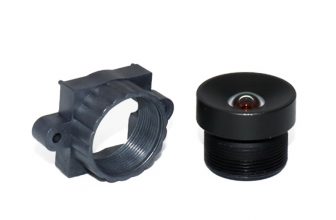
As the application scope of facial recognition technology continues to expand, people’s demand for facial recognition technology is also increasing. Under this circumstance, imported face recognition lenses have become a common market phenomenon.
The import of facial recognition lenses may be subject to varying degrees of tariffs or other trade barriers. Tariffs are charges a country imposes on imported goods, while other trade barriers are various policy measures that restrict trade between different countries. The tariffs and other trade barriers imposed by the importing country on facial recognition lenses will vary according to the importing country’s trade policies, laws and regulations.
For example, when a country applies facial recognition technology, it may set a series of restrictions on the import of facial recognition lenses out of data protection considerations. Data protection is an important guarantee for the privacy and security of personal data, and some countries have very strict legal regulations in this regard. If a company’s facial recognition equipment has loopholes in supervision, it may lead to personal privacy leaks, and the company will face economic losses and legal penalties. In response to such issues, some countries have formulated relevant laws and regulations to ensure personal privacy and security.
In addition to legal restrictions on data protection, the use of facial recognition technology also faces other risks and challenges. For example, in some countries, there are concerns that facial recognition technology may threaten the safety and freedom of citizens and consumers. This often results in restrictions on the import and use of such technologies.
There are still some moral and ethical issues regarding the import of facial recognition lenses. Some people believe that the widespread use of facial recognition technology may infringe on citizens’ rights and freedoms and even have some harmful effects. These problems also put imported facial recognition lenses under certain moral and ethical pressure.
For imported face recognition lenses, whether there are tariffs or other trade barriers mainly depends on the policies, laws and regulations of the importing country. In addition, people’s security and privacy concerns about the use of facial recognition technology are also factors affecting import policies. Therefore, when companies import facial recognition lenses, they need to carefully understand the policies and regulations of the target market to ensure the legality and smooth development of their business.