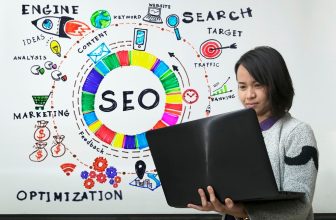
Search engine optimization (SEO) helps you make your website easier to find when potential customers search for products, services, or information related to your business. However, achieving better rankings requires more than adding keywords to your pages. You need a strategy that combines useful content, technical performance, relevant backlinks, search intent, and a positive user experience.
The most effective SEO techniques focus on helping search engines understand your website while giving visitors clear, reliable answers to their questions. When you apply these techniques consistently, you can improve organic visibility, attract relevant visitors, and create more opportunities to generate leads and sales.
Whether you manage a local business, an online store, or a service-based company, the following strategies can help you strengthen your SEO performance and build sustainable search visibility.
1. Understand Search Intent Before Targeting Keywords
Keyword research is the foundation of an effective SEO strategy. However, choosing keywords based only on search volume can lead to traffic that does not match your business goals. You need to understand what people expect to find when they enter a query into a search engine.
Search intent generally falls into four categories:
- Informational: People want answers, explanations, or instructions.
- Navigational: People are looking for a specific website or brand.
- Commercial: People are comparing products, services, or providers.
- Transactional: People are ready to purchase, book, or request a service.
For example, someone searching for “what is technical SEO” probably wants an explanation, while someone searching for “SEO services for small businesses” may be comparing agencies.
How to apply this technique:
- Identify keywords that relate directly to your products or services.
- Review the search results to understand what content ranks for those terms.
- Group related keywords according to search intent.
- Create a dedicated page or article for each distinct user need.
- Include clear next steps when visitors are ready to contact your business.
This approach helps you create relevant content instead of trying to make one page rank for unrelated searches.
2. Create Helpful, Original, and Well-Structured Content
High-quality content remains one of the most important elements of SEO. Your pages should answer real questions, explain relevant topics clearly, and provide practical information that visitors can use.
Avoid publishing articles that repeat information already available everywhere without adding meaningful value. Instead, use your experience, examples, processes, and industry knowledge to make each page more useful.
For example, an article about improving website rankings can explain how to identify technical problems, evaluate keyword opportunities, improve internal links, and measure organic traffic.
Use these content practices to strengthen your pages:
- Write descriptive headings that explain what each section covers.
- Answer the primary question near the beginning of the article.
- Use examples, statistics from reliable sources, and actionable recommendations where appropriate.
- Break complex topics into short paragraphs and logical sections.
- Update outdated information when industry practices or business details change.
- Remove repetitive statements and content that does not serve the reader.
You should also demonstrate relevant experience and provide accurate information. Clear author details, trustworthy references, and transparent business information can help readers assess your credibility.
Your goal is to satisfy the reader’s needs, not simply to reach a particular word count.
3. Optimize On-Page SEO Elements
On-page SEO helps search engines understand the subject and purpose of each page. It also makes your content easier for people to scan and navigate.
Start with the following elements:
Title tags: Write a unique, descriptive title that accurately reflects the page’s main topic. Place your primary keyword naturally where it makes sense.
Meta descriptions: Summarize the page’s value in concise language. Although meta descriptions are not a direct Google ranking factor, a useful description can encourage relevant searchers to click.
Headings: Organize information using a clear heading hierarchy. Your main heading should communicate the page’s subject, while supporting headings introduce related points.
URL structure: Use short, readable URLs that describe the page. Avoid unnecessary parameters and long strings of unrelated words.
Image optimization: Use descriptive file names and meaningful alternative text for informative images. Compress image files to help pages load efficiently.
Keyword placement: Include your main keyword naturally in relevant locations, such as the title, introduction, headings, and body content. Add related terms when they help explain the subject.
For instance, a page targeting the keyword “Apex SEO Company” should clearly explain the relevant SEO services, the intended audience, and the business value of those services.
If you want professional support with these activities, you can review the services offered by an [Apex SEO Company] to understand how on-page improvements can fit into a broader search strategy.
4. Improve Technical SEO and Website Performance
Technical SEO ensures that search engines can discover, crawl, render, and index the important pages on your website. Even excellent content may struggle to perform if search engines cannot access it correctly.
Begin with a technical audit to identify issues that affect usability and search visibility.
Focus on these areas:
- Crawlability: Check whether search engine bots can access your important pages.
- Indexing: Review indexation reports to identify valuable pages that are missing from search results.
- XML sitemap: Maintain an accurate sitemap containing the canonical URLs you want search engines to discover.
- Robots.txt: Ensure your rules do not unintentionally block important content or resources.
- Canonical tags: Use appropriate canonical signals to manage duplicate or similar URLs.
- Broken links: Repair broken internal links and redirect outdated URLs when suitable replacements exist.
- HTTPS: Secure your website with HTTPS.
- Mobile usability: Make navigation, text, forms, and buttons work properly on mobile devices.
You should also evaluate Core Web Vitals. These measurements assess loading performance, responsiveness, and visual stability.
Google’s current Core Web Vitals include Largest Contentful Paint (LCP), Interaction to Next Paint (INP), and Cumulative Layout Shift (CLS). Review real-user data where available, then address problems such as oversized images, unnecessary scripts, slow server responses, and unstable page layouts.
Technical improvements do not guarantee higher rankings, but they remove obstacles that can prevent your website from performing effectively.
5. Build a Strong Internal Linking Structure
Internal links connect one page on your website to another. They help visitors find related information and help search engines understand how your content fits together.
A well-planned internal linking structure can also direct users toward important service pages, product categories, and conversion opportunities.
For example, an article about keyword research can link to a related guide on on-page SEO. That guide can then link to a relevant service page where readers can learn about professional support.
Follow these practices when adding internal links:
- Link to pages that provide useful additional information.
- Use descriptive anchor text that explains the destination.
- Prioritize important pages that need stronger contextual connections.
- Link related articles to relevant service and category pages.
- Check for broken links and pages that receive few or no internal links.
Avoid using the same generic anchor text everywhere. Phrases such as “technical SEO audit,” “local search optimization,” or “website content strategy” provide more context than repeated “click here” links.
For your website, use Apex SEO Company as descriptive anchor text when linking to the relevant service page. Use Contact Us when directing visitors to your contact page.
These links should fit naturally into the surrounding content and help readers take their next logical step.
6. Earn Relevant, High-Quality Backlinks
Backlinks are links from other websites to your website. Search engines can use them as signals when evaluating pages, although the value of a link depends on factors such as relevance, context, and quality.
The goal is not to collect as many links as possible. You should earn links that make sense for your industry and help people discover useful resources.
Effective ways to attract relevant backlinks include:
- Publishing original research or useful industry reports.
- Creating detailed guides that other publishers may reference.
- Contributing expert commentary to relevant publications.
- Building relationships with legitimate industry organizations.
- Sharing helpful resources with partners and professional communities.
- Correcting broken links when you have a genuinely relevant replacement resource.
Evaluate potential linking websites based on their topical relevance, editorial standards, and genuine audience. Be cautious of paid link schemes, automated link-building services, and networks created primarily to manipulate rankings.
You can monitor your backlink profile through Google Search Console and other SEO tools. Investigate unusual patterns when necessary, but do not assume every low-quality link requires a disavowal.
A sustainable link-building strategy prioritizes credibility and relevance over artificial link volume.
7. Strengthen Local SEO for Location-Based Searches
If your business serves customers in specific cities or regions, local SEO can help you reach people searching for nearby products and services.
Start by optimizing your Google Business Profile. Provide accurate business information, choose relevant categories, add appropriate services, maintain current opening hours, and upload authentic photographs.
Your website should also communicate where and how you serve customers.
For effective local SEO:
- Create useful location pages for the areas you genuinely serve.
- Include relevant local keywords naturally in page titles and content.
- Maintain consistent business details across important directories.
- Encourage genuine customer reviews and respond professionally.
- Add locally relevant information, such as service coverage and frequently asked questions.
- Ensure your contact information is easy to find on mobile devices.
For example, an SEO agency serving Apex, North Carolina, can create relevant content explaining its services, local business expertise, and approach to helping businesses reach their target customers.
Avoid creating numerous nearly identical location pages by changing only the city name. Each location page should offer meaningful information that reflects the area’s actual services or customer needs.
Local rankings are influenced by factors such as relevance, distance, and prominence. Accurate information and useful local content help establish a stronger foundation, but no optimization technique guarantees a particular position.
8. Optimize Content for Featured Snippets, AEO, and AI Search
Search results increasingly include direct answers, featured snippets, AI-generated summaries, and other formats that help users find information without visiting multiple websites.
Answer Engine Optimization (AEO) focuses on making content easy to understand and use when search systems respond to specific questions. Generative Engine Optimization (GEO) focuses on improving the clarity, credibility, and discoverability of information that may be used in generative search experiences.
You can support these goals by making your content direct, well-organized, and trustworthy.
Apply the following techniques:
- Answer the main question clearly near the beginning of the relevant section.
- Use question-based headings that match the language your audience uses.
- Provide concise definitions before explaining more complex details.
- Include supporting examples, evidence, and practical instructions.
- Use descriptive headings, lists, tables, and FAQs where they improve understanding.
- Keep business details and service information accurate across your website and trusted profiles.
- Cite reliable sources when making factual claims that need verification.
For example, a section titled “What Is Technical SEO?” should begin with a straightforward definition before covering crawling, indexing, site architecture, and performance.
Structured data can also help search engines interpret eligible content, but it must accurately reflect what users can see on the page. Adding schema markup does not guarantee a rich result or an AI citation.
There is no guaranteed formula for appearing in AI-generated answers. Focus on making your website a reliable, accessible source of information that serves a clear audience need.
9. Improve User Experience and Conversion Paths
SEO performance is more valuable when visitors can easily find what they need and take appropriate action.
A confusing layout, intrusive pop-ups, unclear service descriptions, or difficult forms can discourage users even when your website attracts organic traffic.
Review the complete visitor journey, from the search result to the landing page and final conversion.
Make sure your website has:
- Clear navigation and logical page organization.
- Readable typography and sufficient visual contrast.
- Fast-loading pages and responsive mobile layouts.
- Prominent, relevant calls to action.
- Simple forms that request only necessary information.
- Clear explanations of services, pricing where appropriate, and next steps.
For example, if a visitor arrives on a page about SEO services, explain what your service includes, who it is designed for, and how the visitor can request further information.
Include a contextual Contact Us link near relevant service information. This makes it easier for interested visitors to ask questions without searching through your entire website.
Better usability can support engagement and conversions, although individual engagement metrics should not be treated as direct ranking factors without evidence.
10. Measure SEO Results and Refine Your Strategy
SEO requires ongoing measurement because search demand, competitors, website content, and technical conditions change over time.
Use Google Search Console to monitor search impressions, clicks, click-through rates, indexing issues, and query performance. Google Analytics can help you understand organic landing-page sessions, engagement, and conversions when tracking is configured correctly.
Track the metrics that reflect your business objectives:
| SEO metric | What it helps you understand |
| Organic clicks | How many visits you receive from search results |
| Search impressions | How often your pages appear in search |
| Keyword positions | How your pages rank for relevant queries |
| Organic conversions | How much business value organic visits generate |
| Indexed pages | Whether important pages are available in search |
| Referring domains | Which websites link to your content |
Compare performance over consistent periods and account for seasonality, changes in tracking, and fluctuations in search demand.
If a page receives impressions but few clicks, review its title and description. If traffic declines, investigate ranking changes, technical problems, outdated content, and changes in search intent. If traffic increases without generating leads, review the relevance of your keywords and the clarity of your conversion path.
Prioritize changes according to their likely impact, effort, and business value. This helps you focus resources on improvements that matter instead of making random website changes.
Frequently Asked Questions
1. What are the most effective SEO techniques for better rankings?
The most effective techniques include search intent research, helpful content creation, on-page optimization, technical SEO, internal linking, relevant backlinks, and performance monitoring. Local SEO and structured content can also help when they match your business goals and audience needs.
2. How long does SEO take to improve rankings?
SEO results often take several months to become noticeable. The timeline depends on competition, website history, technical issues, content quality, and the scope of your changes. Some improvements appear sooner, but consistent monitoring and ongoing work remain important.
3. Does keyword density affect SEO rankings?
There is no ideal keyword density that guarantees higher rankings. Use your primary keyword naturally and include related terminology when it helps explain the topic. Prioritize readability, search intent, and comprehensive answers rather than repeating keywords unnecessarily.
4. How can local SEO help my business attract customers?
Local SEO helps your business appear in relevant location-based searches. Accurate business profiles, useful location pages, genuine reviews, consistent contact details, and relevant local content can improve visibility and help potential customers find your services.
5. How do you measure whether an SEO strategy is working?
Use Google Search Console to assess impressions, clicks, and search visibility. Use analytics tools to track organic visits and conversions. Compare results over time to determine whether your SEO work is attracting relevant visitors and contributing to your business goals.
Conclusion
The most effective SEO techniques work together to improve your website’s discoverability, usefulness, credibility, and ability to convert visitors. Start with search intent and content quality, strengthen technical foundations, build relevant internal and external links, and optimize your website for local and evolving search experiences.
Measure your results regularly and prioritize improvements based on actual performance rather than assumptions. SEO is an ongoing process, and sustainable progress comes from consistently meeting user needs while maintaining a technically sound website.
If you need help planning or implementing these strategies, consider consulting an Apex SEO Company for guidance tailored to your website and business objectives. When you are ready to discuss your requirements, visit your website’s Contact Us page to request more information about suitable SEO solutions.